
Why Skipping Generator Maintenance Can Lead to Costly Failures
A standby generator provides backup electricity when storms, utility problems, or unexpected outages interrupt normal power service. However, installing a generator is only the first step toward maintaining a dependable backup power system. Like other mechanical equipment, generators require regular inspections, servicing, and occasional component replacements. When maintenance is overlooked, small problems can develop into expensive repairs or complete equipment failures. Homeowners may not recognize these issues until an outage occurs and their generator fails to start. Working with a qualified generator installer and following a consistent maintenance schedule can help protect the equipment.
Allowing Engine Components to Wear Prematurely
Generator engines contain moving components that depend on proper lubrication to operate smoothly. Engine oil helps reduce friction, control temperatures, and protect internal surfaces from excessive wear. Over time, oil can become contaminated or lose its protective properties. When homeowners neglect recommended oil changes, internal components may experience increased friction and heat. These conditions can contribute to premature wear, reduced performance, and serious engine damage.
Regular servicing helps maintain appropriate lubrication and identify developing mechanical concerns. A qualified technician can inspect oil levels, replace filters, and look for signs of leaks or unusual wear. A generator installer may also explain the maintenance intervals recommended for a particular system. Addressing lubrication problems early is generally more manageable than repairing extensive engine damage after components have deteriorated.
Increasing the Risk of Unexpected Starting Failures
A generator that cannot start during an outage provides little protection for the household. Starting problems can develop when batteries weaken, electrical connections corrode, or important components deteriorate from limited use. Standby generators may remain inactive for extended periods between power interruptions, making it difficult for homeowners to recognize developing issues. Without periodic inspections and operational testing, a seemingly functional system may fail when backup electricity becomes necessary.
Battery testing, connection inspections, and scheduled exercise cycles can help identify problems before an emergency occurs. A generator installer or qualified service technician can evaluate the starting system and determine whether components require attention. Homeowners should also monitor warning indicators and unusual startup behavior rather than assuming these symptoms will resolve independently. Routine testing helps confirm that the generator can start when needed, reducing the likelihood of discovering a preventable malfunction during an outage.
Reducing the Efficiency of Fuel Delivery Systems
Generators depend on a consistent fuel supply to produce electricity. Depending on the equipment, the system may operate using natural gas, propane, diesel, or another approved fuel. Fuel delivery components can develop problems involving clogged filters, restricted lines, deteriorating connections, or improper pressure. These conditions may interfere with combustion and cause difficult starting, unstable operation, or unexpected shutdowns. Ignoring fuel-related warning signs can eventually lead to more extensive mechanical problems.
Professional maintenance includes evaluating fuel system components and checking for conditions that could affect reliable operation. Technicians may inspect filters, connections, regulators, and other equipment according to the generator's design. Homeowners should leave fuel system repairs to qualified professionals because improper handling can create safety hazards. A generator installer familiar with the equipment can help identify appropriate service requirements. Maintaining the fuel delivery system supports consistent operation when backup electricity is needed.
Overlooking Problems With Electrical Connections
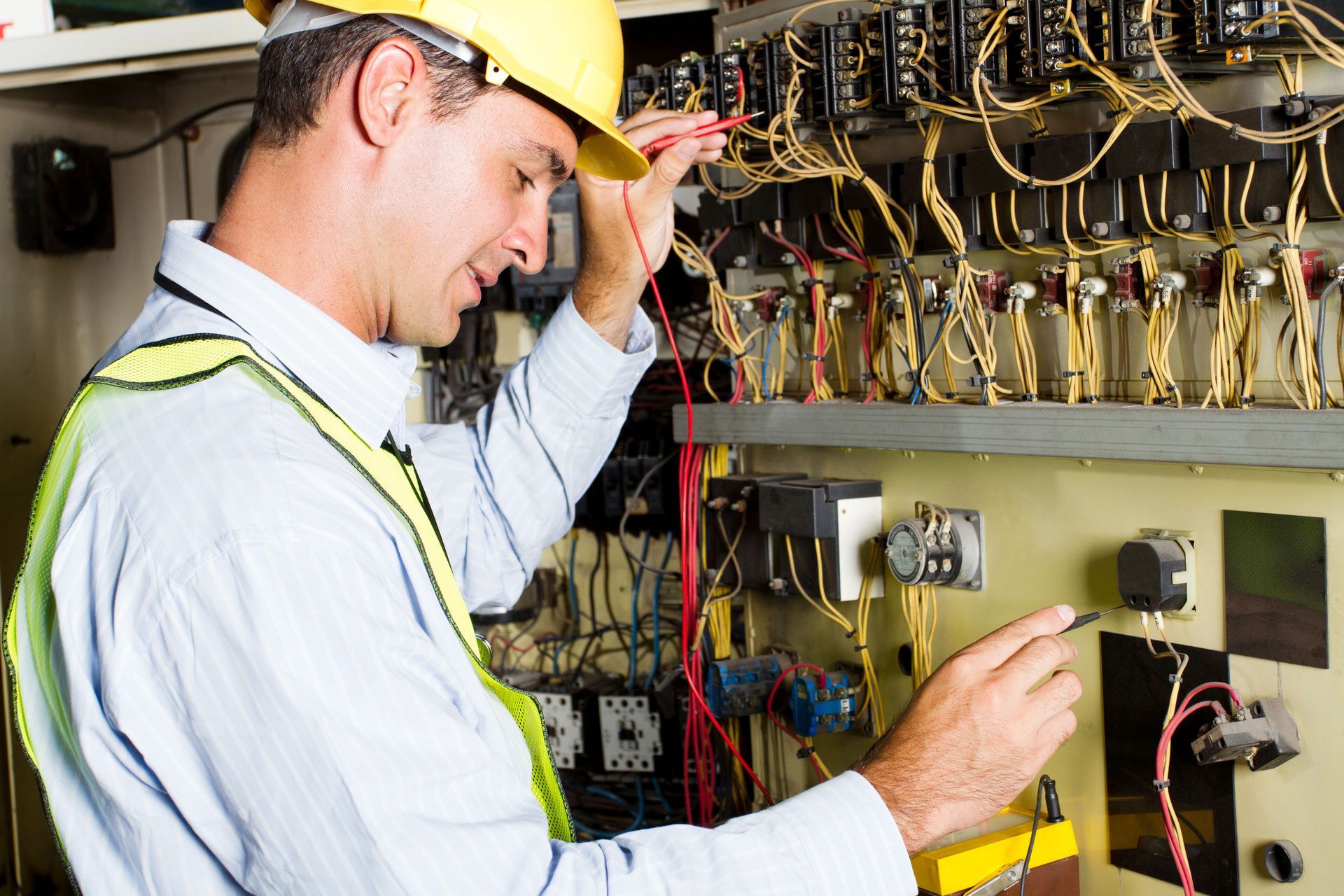
A generator relies on electrical components to transfer power safely to connected household circuits. Loose connections, damaged wiring, deteriorating insulation, and malfunctioning controls can interfere with this process. Over time, vibration, moisture, and environmental exposure may contribute to electrical problems. If these conditions remain undetected, the generator could experience unreliable performance, interrupted power delivery, or component damage. Certain electrical faults may also create safety concerns.
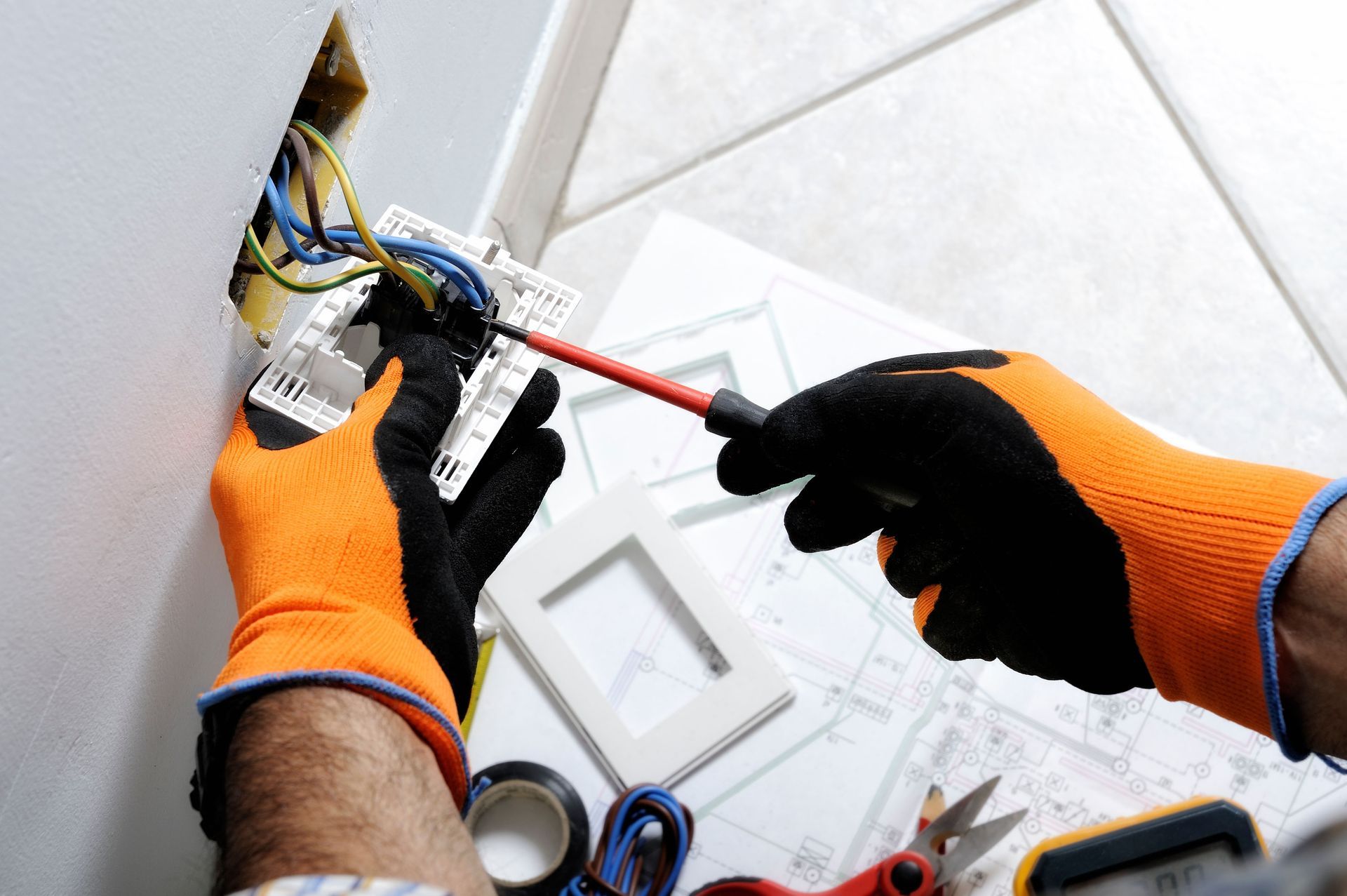
Routine inspections provide opportunities to evaluate electrical connections and identify signs of deterioration. Qualified professionals can examine control systems, inspect wiring, and perform appropriate electrical tests. A generator installer may also evaluate the automatic transfer switch, which allows a standby system to supply designated circuits during a utility outage. Because electrical work involves dangerous voltages, homeowners should avoid attempting complex inspections or repairs themselves. Professional servicing helps support safe operation and dependable power distribution.
Accelerating Damage From Environmental Exposure
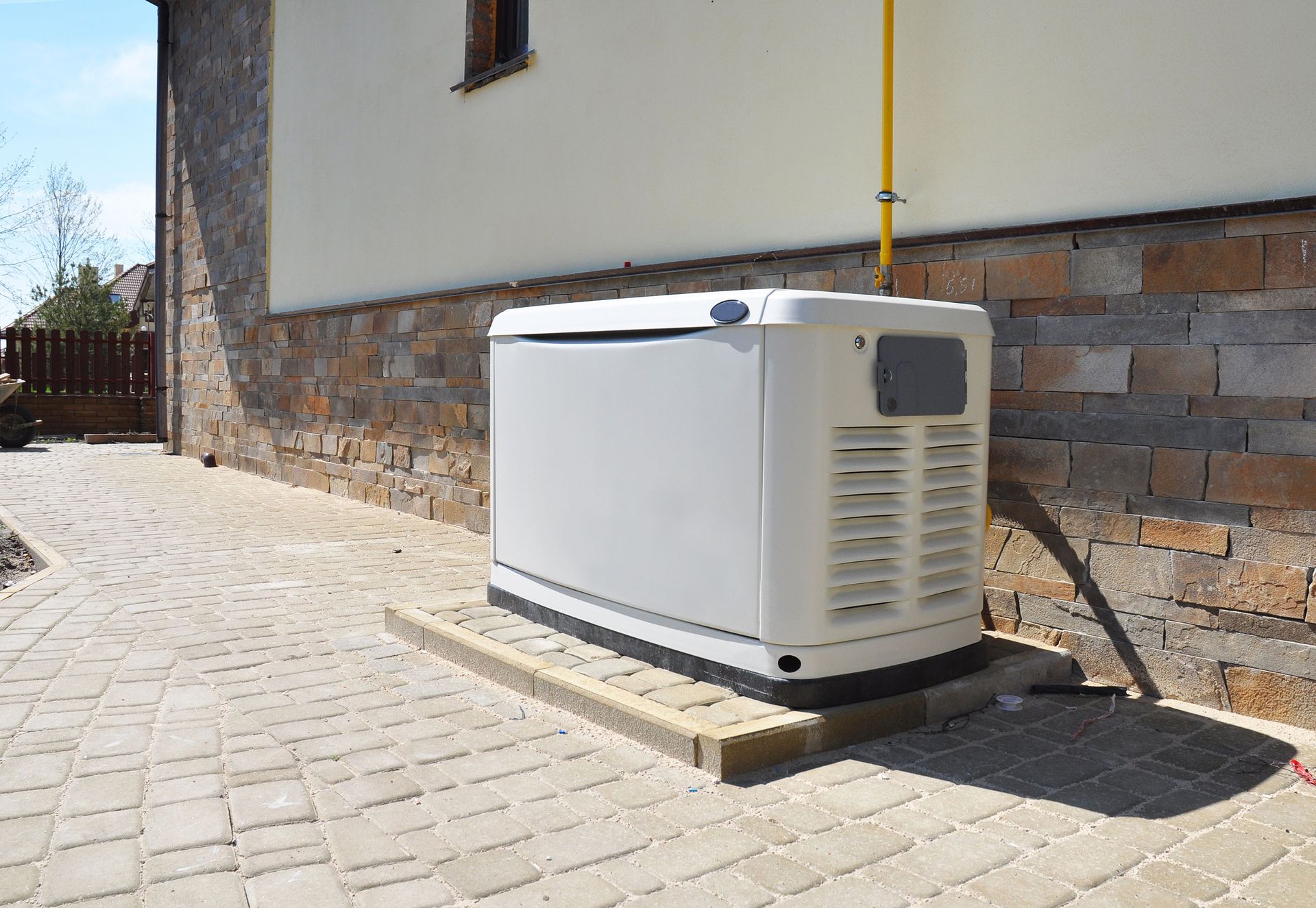
Standby generators are commonly installed outdoors, where they remain exposed to changing temperatures, precipitation, humidity, and airborne debris. Although protective enclosures help shield internal components, environmental conditions can still affect equipment. Moisture may contribute to corrosion, while leaves, dirt, and other debris can obstruct ventilation openings. Restricted airflow can interfere with cooling and increase operating temperatures. Neglected exterior conditions may eventually contribute to mechanical deterioration or unexpected shutdowns.
Maintaining the area surrounding the generator is an important part of equipment care. Homeowners can keep vegetation and debris away from the enclosure while following manufacturer clearance requirements. Professional inspections can identify corrosion, damaged seals, blocked ventilation areas, and other concerns requiring attention. Keeping the enclosure and surrounding area in appropriate condition supports airflow, accessibility, and long-term reliability.
Shortening the Expected Lifespan of Equipment
Purchasing and installing a standby generator represents a substantial household investment. Homeowners generally expect the equipment to provide backup electricity for many years, but its service life depends on several factors. Operating conditions, frequency of use, installation quality, and maintenance practices can influence how quickly components deteriorate. Skipping inspections or delaying necessary repairs may place additional stress on the system and increase the likelihood of premature replacement.
According to HomeGuide, with proper maintenance, a standby generator can have a lifespan of 15 to 30 years and deliver between 10,000 and 30,000 hours of reliable operation. These figures illustrate the potential value of consistent equipment care. Regular servicing can help homeowners identify worn components before they cause additional damage. Maintaining service records and following manufacturer recommendations may also support applicable warranty requirements. Protecting the generator's condition can help homeowners avoid replacing expensive equipment earlier than necessary.
Creating Higher Repair and Replacement Expenses
Minor generator problems are often easier to address when discovered early. A deteriorating battery, dirty filter, loose connection, or small fluid leak may require relatively straightforward service. However, leaving these issues unresolved can allow additional components to become affected. For example, inadequate lubrication may damage internal engine parts, while cooling problems can contribute to overheating. Repairs involving multiple damaged components may require more labor, replacement parts, and diagnostic work.
Preventive maintenance creates opportunities to address developing concerns before they become more complicated. A generator installer or qualified maintenance provider can recommend inspections based on equipment age, usage, and manufacturer guidelines. Although routine service involves an ongoing expense, it may reduce the risk of larger repair bills and unexpected replacement costs. Homeowners can also use maintenance appointments to discuss unusual noises, warning messages, or performance changes. Addressing these concerns promptly can help protect their investment.
Compromising Backup Power During Emergencies
The consequences of neglected generator maintenance can become especially serious during extended power outages. Households may depend on backup electricity to operate refrigerators, heating equipment, sump pumps, lighting, and other essential systems. When a generator fails unexpectedly, homeowners may experience food spoilage, uncomfortable indoor conditions, or interruptions to important household activities. The impact depends on the duration of the outage and which appliances the generator was designed to support.
Preparing for emergencies involves more than confirming that a generator is installed. Homeowners should arrange recommended maintenance, monitor system alerts, and ensure that operational testing occurs according to manufacturer instructions. Scheduling service before seasons associated with severe weather can provide additional preparation time. Consistent maintenance helps improve the likelihood that backup power will be available when the household needs it most.
Skipping generator maintenance may seem convenient in the short term, but neglected equipment can develop problems that lead to expensive repairs, reduced reliability, and premature replacement. Engine wear, starting failures, fuel delivery issues, electrical faults, and environmental damage can all affect the performance of a standby generator. Regular inspections and timely servicing help identify these concerns before they become more serious. Homeowners can protect their investment by following manufacturer recommendations, monitoring equipment performance, and working with qualified professionals. A dependable generator installer can also provide guidance on appropriate maintenance practices and long-term equipment care. Taking a proactive approach helps ensure that your backup power system remains prepared for unexpected outages. To learn more about generator installation, maintenance, and protecting your home's electrical systems, contact Pro Circuit Electrical today.
Share On: